Featured
Table of Contents
HubSpot: An all-in-one marketing software application that includes CRM, content management, and analytics tools. Reliable marketing needs partnership in between numerous departments, including sales, client service, and product advancement. Motivating cross-department communication ensures that marketing efforts line up with total organization objectives. As soon as your business marketing solutions are in place, constant monitoring and optimization are important.
An international durable goods business faced challenges in handling its vast item portfolio. By carrying out a centralized CRM system, the company improved client insights and interaction. As an outcome, they achieved a 25% boost in client retention and a substantial boost in sales. An e-commerce merchant fought with high cart abandonment rates.

As customers end up being more critical, individualized marketing will continue to be an essential trend. AI will play a considerable function in improving marketing methods.
Customers expect a smooth experience across several channels. Enterprises will need to adopt omnichannel marketing methods to guarantee consistent messaging and engagement, regardless of the platform. Enterprise marketing services are necessary for large organizations seeking to drive growth and performance in today's competitive landscape. By leveraging tools such as CRM systems, marketing automation, and information analytics, business can produce tailored techniques that resonate with their target audience.
Essential Strategies for Scaling Global Engagement
Purchasing the ideal business marketing options will empower your organization to flourish in the digital age.
Marketing gets complex fast at enterprise scale. It's no longer just about launching campaigns. Business marketing exists to bring order to that intricacy.
It protects brand consistency while still providing local groups room to adapt. And it guarantees performance is measured in terms leadership in fact cares about income impact, development, and long-lasting worth. This short article explores what business marketing really suggests in practice, how it differs from traditional marketing, and why structure ends up being simply as important as creativity at scale.
It needs aligning projects, teams, and resources across numerous regions and company systems while preserving brand consistency. Unified brand name standards, approval workflows, and cross-functional coordination guarantee quality and compliance at scale. Leveraging analytics, performance metrics, and AI-powered insights helps optimize campaigns, step ROI, and prepare for market patterns. Powerful platforms such as monday work management connect teams, workflows, and information, offering real-time visibility and minimizing operational silos.
Top Strategies for Modernizing Digital Engagement
Business marketing means collaborating marketing throughout big organizations with many moving parts: different departments, regions, and stakeholders all need to stay lined up. Enterprise marketing runs campaigns across company units, manages resources at scale, and ensures every effort aligns with the business's strategic objectives.
Enterprise marketing success depends on 5 foundational components that interact to drive results at scale. Comprehending these components helps organizations identify gaps and invest in what genuinely drives meaningful results. Maintaining combined standards, voice, and visual identity throughout all touchpoints prevents dilution and confusion. Lining up marketing with sales, item, and consumer success ensures seamless execution.
Tracking effect throughout complicated customer journeys validates investments and guides choices. Enterprise marketing is more than promotion: it makes the organization operate efficiently.
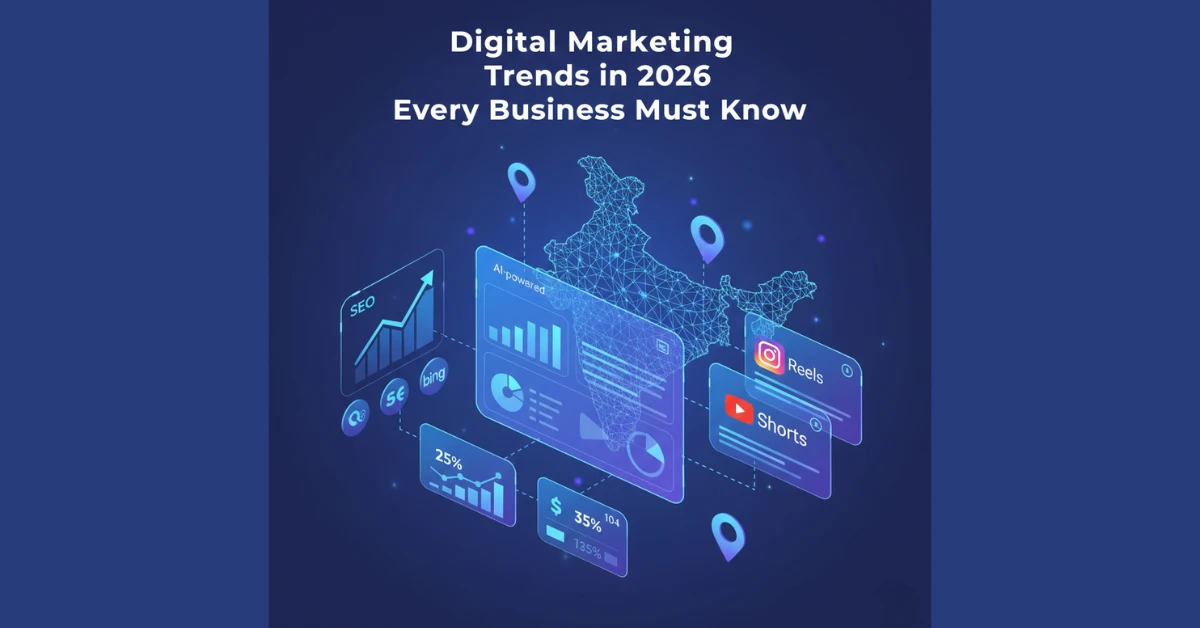
Business marketing runs campaigns throughout organization units, handles resources at scale, and guarantees every initiative lines up with the company's tactical goals. Business marketing relies on devoted functions such as marketing operations managers, brand governance leads, and marketing technology specialists: these positions are rarely found in traditional teams, which typically work together informally.
Choices can then be made rapidly while preserving oversight that protects the worldwide brand name. Business marketing exceeds coordination. When structured deliberately, it alters how the organization carries out. It removes friction, secures brand name stability, hones execution, and produces quantifiable effect leadership can connect directly to income, efficiency, and long-term development.
Navigating Corporate Marketing Evolution Now
That consistency develops recognition and trust, reinforcing premium positioning. Whether a client engages in New York or Singapore, the experience feels aligned, deliberate, and unmistakably on-brand. Central preparation lowers duplication and directs budget plan toward high-impact efforts. Teams utilizing monday work management can envision capacity throughout departments, avoiding burnout, minimizing idle time, and guaranteeing every financial investment supports tactical top priorities.
Larger datasets enable deeper analytics and smarter personalization, giving business companies insight smaller sized competitors battle to reproduce. From very first interaction through post-purchase engagement, consumers experience clarity and continuity, increasing satisfaction and life time value.
Connected workflows reduce silos between marketing, sales, item, and consumer success. Shared objectives and transparent execution make sure launches and projects receive collaborated support throughout every customer-facing group. Unified reporting offers full visibility into performance. Accurate attribution allows leaders to double down on what works, fine-tune what does not, and make decisions grounded in data instead of assumption.
The methods below assistance organizations move from scattered efforts to collaborated execution that drives measurable effect. Developing a governance structure preserves consistency while allowing groups to adjust when required. Reliable governance includes: Clear requirements for voice, visual identity, and messaging. Single source of fact for approved materials. Structured processes that preserve quality without slowing execution.
Top Methods for Modernizing Digital Operations
Innovation should scale with the organization and integrate flawlessly with existing systems. Core parts include marketing automation, customer data platforms, and partnership systems that interact. Modern platforms like monday work management support combination through API connections and pre-built combinations, breaking down information silos. Standardized procedures for project development, content production, and lead management keep departments operating effectively.
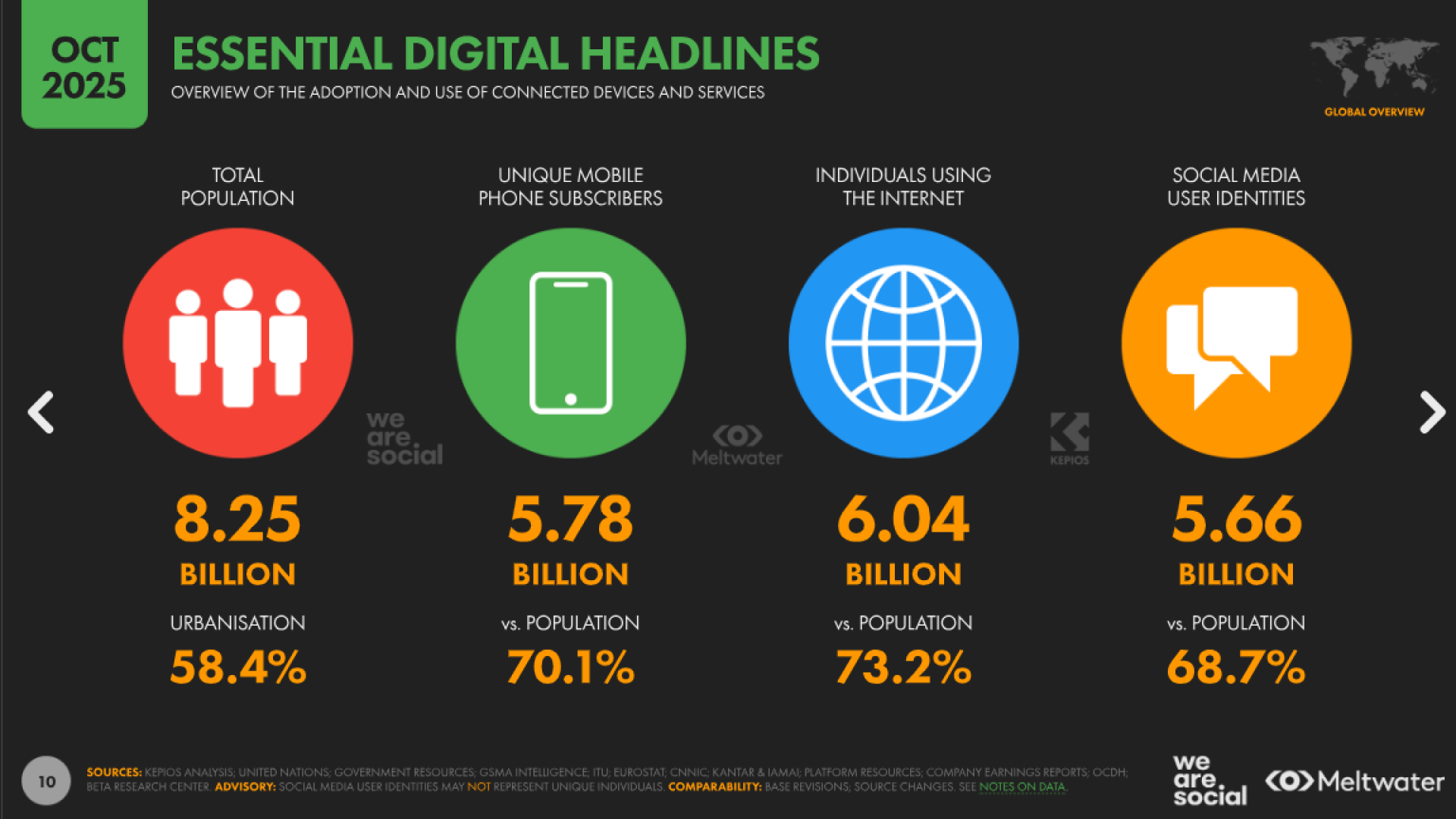
Teams can embed these procedures utilizing managed templates that guarantee compliance immediately. Marketing choices must be based upon analysis rather than intuition. Key components consist of: Establishing clear success signs. Ensuring accuracy and accessibility. Linking insights to tactical planning. This structure balances efficiency data with market insights for informed decision-making. Organizing teams into self-governing squads permits big organizations to move with startup speed.

Table of Contents
Latest Posts
Driving Cross-Channel Performance with Predictive Automation
More
Latest Posts
Driving Cross-Channel Performance with Predictive Automation